White Star Satin Review
As an embroidery designer who spends weekends hunched over a sewing machine and weekdays planning booth layouts for craft fairs, I have learned that the difference between a design that sits on a shelf and one that flies off the table often comes down to visual clarity and emotional appeal. Today, I am reviewing White Star Satin, a machine embroidery design described as stunning, casual, and elegant. My goal here is not just to describe the file, but to evaluate its potential as a viable craft fair product and a staple in my digital inventory.
First Impressions: The Aesthetic of White Star Satin
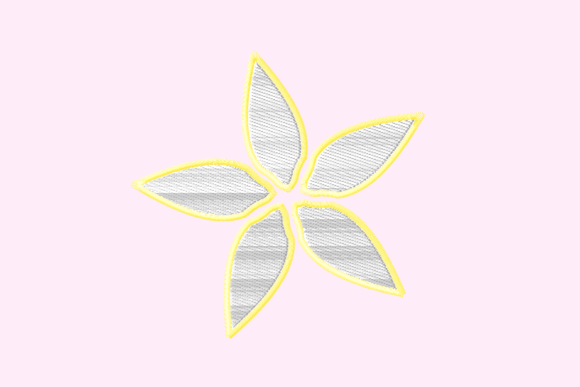
The title "White Star Satin" immediately suggests a specific texture and mood. In the world of embroidery, satin stitches are known for their smooth, reflective surface, which catches light beautifully. When combined with a star motif, the design promises a blend of whimsy and sophistication. Based on the description, this is not a heavy, rustic farmhouse piece, nor is it a loud, graphic pop-art statement. Instead, it leans toward the modern and elegant side of the spectrum.
For a handmade shop owner or an Etsy seller, this distinction is critical. Customers at craft fairs often make purchasing decisions within seconds. A design that feels premium and clean will draw the eye more effectively than cluttered patterns. White Star Satin appears to offer a minimalist yet decorative appeal, making it versatile enough to fit into various niches, from baby gifts to chic home decor. The use of white thread specifically adds a layer of challenge and reward; it requires pristine fabric contrast to truly shine, suggesting a high-end finish when executed correctly.
Product Applications and Market Fit
One of the most valuable aspects of any digital embroidery file is its versatility. How many different products can you create from a single design before it feels repetitive? With White Star Satin, the possibilities are extensive, particularly for those looking to build a cohesive brand identity across multiple small shop products.
Apparel and Accessories
Star motifs are timeless, but the execution matters. Placing this design on a cap or a beanie can create a subtle, trendy look. However, because it is a satin stitch design, it works exceptionally well as a focal point on structured items like tote bags. A tote bag design featuring a centered or clustered White Star Satin pattern looks professional and polished. It elevates a basic canvas bag into a boutique item. Similarly, for apron embroidery, placing the stars along the bib or the hemline adds a touch of elegance without overwhelming the garment’s function.
Home Decor and Textiles
Kitchen textiles are a huge seller at markets. A tea towel embroidery project using this design can transform a plain flour sack towel into a giftable item. The white-on-white or white-on-neutral color palette pairs beautifully with linen or cotton textures. For pillow covers, the design can serve as a subtle accent in a corner, adding depth through the sheen of the satin stitch rather than bold colors. This approach appeals to buyers who want handmade quality without loud patterns dominating their interior design.
Patches and Small Goods
An embroidered patch made from this design could serve as a unique embellishment for denim jackets or backpacks. Small fabric pouches, ideal for makeup or tech accessories, also benefit from the compact nature of star motifs. If the design scales well, it can provide a luxurious feel to these small goods, increasing their perceived value.
Practical Selling and Production Considerations
When evaluating a design for batch production, I look at three things: ease of digitization, photographic appeal, and repeat production speed. White Star Satin seems to score well on visual impact. Because satin stitches reflect light, photographs of finished products will likely show depth and texture, which is crucial for Etsy listings and online marketing. A clear image of the stitching detail can convince a buyer of the craftsmanship involved.
However, production efficiency is key for profitability. If the design has complex underlay stitches or excessive trimming requirements, it slows down the hoop time. While exact stitch counts are not provided in the source material, the term "satin" implies a continuous stitch path. Designers should ensure that the stitch density is optimized so that the fabric does not pucker, especially on lighter materials like tea towels or thin tote bag fabrics. If the design allows for quick hooping and minimal stabilization adjustments, it becomes a much more attractive asset for commercial embroidery businesses.
Careful-Use Notes and Technical Challenges
No design is without its pitfalls, and understanding them is part of being a professional. Here are specific areas where White Star Satin might present challenges:
- Fabric Contrast: Using white thread on white fabric is risky unless the base fabric has a distinct texture or weave that catches the light differently than the smooth satin stitches. On dark fabrics, white stands out boldly, but on light neutrals, you must ensure the design definition remains clear.
- Small Details: If the star points or inner details are too small, they may become lost in the fabric texture or merge together during the stitching process. Always inspect the design at actual size to ensure tiny elements hold their shape.
- Curved Surfaces: Embroidering on caps or curved pouches requires precise placement. A central design like a star needs to be aligned perfectly to avoid looking crooked on a 3D object.
- Thread Sheen: Satin stitches can sometimes look muddy if the wrong type of polyester rayon is used. High-quality thread is essential to maintain the "stunning" quality promised by the design name.
Designer’s Checklist for Success
Before adding White Star Satin to your collection of design assets or printing printable mockups, follow these practical steps to ensure your final product meets professional standards:
- Test on Scrap Fabric: Never go straight to a saleable item. Stitch the design on the same fabric type you plan to sell (e.g., canvas, linen, cotton) to check for puckering or thread breaks.
- Check Hoop Size: Confirm the recommended hoop size for the design. If it is larger than your machine’s standard hoops, you may need to re-hooper, which increases labor time.
- Review Stabilizer Needs: Depending on the fabric texture and weight, you may need cut-away or tear-away stabilizers. Test to see what provides the best support without leaving residue.
- Create Real Mockups: Produce at least one physical sample. Photograph it in natural light. Does the white thread glow? Is the star sharp? This real-world proof is invaluable for your finished product listings.
- Confirm Licensing: Ensure you have the correct commercial embroidery license to sell items made from this file. Check the terms regarding how many units you can produce.
Final Verdict
White Star Satin presents itself as a strong candidate for craft fair sellers and online boutiques. Its combination of casual elegance and striking visual texture makes it suitable for a wide range of handmade products. From apron embroidery to decorative pillow covers, it offers the potential to create high-value items that appeal to customers seeking quality and style. By paying attention to fabric choice, thread quality, and proper stabilization, designers can leverage this machine embroidery design to build a compelling booth display and a successful line of small shop products. Just remember to test thoroughly and verify all technical specifications before mass production.