Cyan Caged Weed Embroidery Review
As an embroidery designer who spends weekends hunched over a sewing machine preparing for local craft fairs, I know that the difference between a design that sits on a table and one that flies off it often comes down to visual impact and production practicality. When I first encountered Cyan Caged Weed, described as an aesthetic floral embroidery perfect for adding a creative touch to various textiles, my immediate reaction was one of curiosity. The title itself suggests a juxtaposition—nature meets structure, wildness meets order. For the handmade market, where buyers are looking for items that feel both unique and polished, this duality is promising.
I am reviewing this machine embroidery design not just as a digital file, but as a potential centerpiece for my booth display. My goal is to determine if Cyan Caged Weed has the staying power to stand out among thousands of other handmade products and whether it is practical enough for batch production during a busy market season.
First Impressions: Aesthetic and Visual Appeal
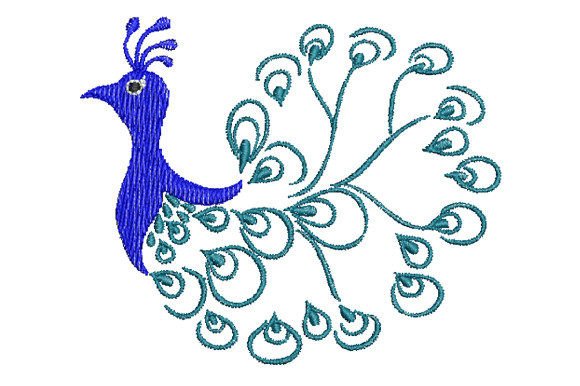
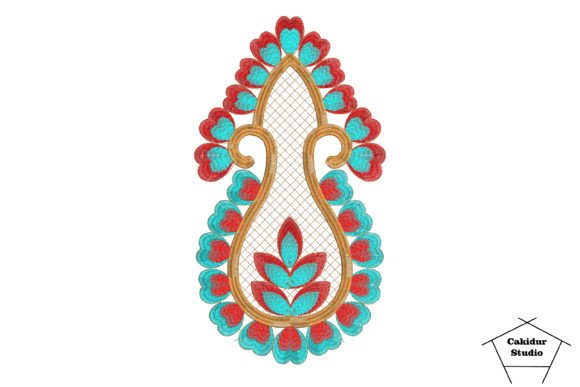
The description highlights "aesthetic floral" elements, which immediately signals a modern, perhaps slightly bohemian or minimalist vibe. In the world of Etsy sellers and boutique makers, "aesthetic" is a powerful keyword, but in person, it translates to clean lines and pleasing color palettes. The word "Cyan" suggests a cool, vibrant tone that can pop against neutral backgrounds, while "Caged Weed" implies a structured, perhaps geometric interpretation of botanical forms.
When I imagine this design on a table at a craft fair, I see it drawing attention through contrast. It does not scream for attention with loud, chaotic patterns; instead, it invites the customer to lean in and appreciate the detail. This is crucial for craft fair product success. You want the buyer to stop, look, and then ask, "Where did you get that?" or "Can I buy that tote bag?" The design feels premium and intentional, moving away from the cluttered looks of the past and toward a more sophisticated, curated aesthetic that resonates with today’s consumer.
Product Application: Where Does It Shine?
To maximize sales, I need to know where this embroidery file performs best. Based on its intricate nature, here is how I envision Cyan Caged Weed translating across different mediums:
- Tote Bags: A tote bag design is a staple at any market. Placing this floral motif centrally on a canvas tote allows the design to breathe. The structure of the "cage" element works well on the flat, sturdy surface of canvas, providing a high-end look that justifies a higher price point.
- Aprons and Tea Towels: For kitchen items, this design adds a touch of elegance. An apron embroidery featuring this pattern could serve as a focal point on the bib or pocket area. Similarly, tea towel embroidery benefits from the vertical space, allowing the floral elements to cascade naturally. These are impulse-buy items, so the design must be recognizable even from a distance.
- Pillow Covers: The description mentions pillow covers, and for good reason. A large-format design like this can transform a plain throw pillow into a statement piece. The soft fabric of a pillow cover complements the likely delicate nature of floral threads, creating a tactile experience that customers love.
- Embroidered Patches: If the design scales well, it could work beautifully as an embroidered patch. Patches allow for versatility, letting customers apply them to jackets, hats, or bags themselves. This expands the utility of the design assets.
- Caps and Small Pouches: Smaller items require careful consideration. On a cap, the curve of the fabric can distort intricate details. However, a small chest placement on a hoodie or a front panel on a fabric pouch could highlight the design’s precision without overwhelming the item.
Production Practicality and Booth Strategy
Selling at craft fairs requires efficiency. I cannot spend hours on every single item. Therefore, I evaluate designs based on their repeatability. Cyan Caged Weed appears to have a balanced composition, which means it should digitize cleanly and stitch consistently. If the stitch density is manageable, I can produce these items in batches, significantly increasing my hourly output.
Photography is another critical factor. Online listings, especially for Etsy sellers, rely heavily on visuals. A design with strong color contrast (like cyan) and clear structural lines photographs exceptionally well. It reads clearly on small mobile screens, ensuring that the digital embroidery file translates effectively to the final finished product. When I create printable mockups for my online store, this design will likely render sharply, maintaining its integrity even when resized.
For the physical booth, I plan to use Cyan Caged Weed on a few key "hero" items, such as a large pillow or a structured tote, to anchor my display. These larger pieces draw the eye. Then, I can offer smaller variations, like patches or embroidered caps, to capture buyers who may be budget-conscious. This tiered approach maximizes the value of the design across different customer segments.
Technical Considerations and Careful Use Notes
While the aesthetic appeal is high, I must remain cautious about the technical execution. The term "Intricate Cuts" in the category suggests detailed stitching. Here are some practical notes for any designer considering this file:
- Dense Stitch Areas: Floral designs can sometimes become too dense, leading to stiff fabric or needle breakage. I will need to check the stitch density carefully. If the design is too heavy, it may not lie flat on lightweight fabrics like tea towels.
- Thread Contrast: The cyan color needs to pop. On dark fabrics, it might get lost unless backed properly. On light fabrics, it will shine. I recommend testing thread colors to ensure the intended vibrancy is achieved.
- Hoop Size and Stabilizer: Confirming the hoop size is essential. If the design is large, it may require multiple hooping attempts, which increases production time. Using the right stabilizer is non-negotiable to prevent puckering, especially on textured fabrics.
- Small Details: Tiny details in the "weed" or cage elements may lose clarity if the design is scaled down too much. I advise against reducing the design below 4-5 inches unless I have tested the legibility thoroughly.
- Fabric Texture: Avoid highly textured fabrics like heavy waffle-weave towels for this design, as the stitches may not register clearly. Smooth cottons, linens, and canvas are ideal.
Final Verdict for the Craft Fair Seller
Cyan Caged Weed represents a strong opportunity for the small shop product owner looking to elevate their brand. It bridges the gap between rustic charm and modern elegance, appealing to a broad demographic. Its versatility across home decor and apparel makes it a valuable addition to any commercial embroidery library.
However, success depends on execution. Before committing to mass production, I strongly advise creating at least one real mockup. Test the design on scrap fabric, inspect the stitch quality, and compare different fabric colors. Ensure you have confirmed commercial licensing before selling finished goods. By treating this design with the respect it deserves—paying attention to fabric texture, thread colors, and proper stabilization—you can turn a simple digital file into a standout handmade product that drives sales and builds customer loyalty.
In conclusion, Cyan Caged Weed is not just a pretty picture; it is a strategic tool for the savvy embroidery entrepreneur. With careful planning and attention to detail, it has the potential to become a bestseller at your next craft fair or online store.