Elegant One Line Flower Review
As an embroidery designer who spends weekends hunched over a hoop and weekdays analyzing market trends, I am always looking for that perfect balance between aesthetic appeal and production efficiency. When preparing for a craft fair or updating my Etsy shop, the products I choose to feature need to stop traffic, look premium in photos, and be reliable enough to produce in batches. Recently, I evaluated the Elegant One Line Flower, a design from the Single Flowers category, to see if it has the potential to become a staple in my handmade product lineup.
First Impressions: Minimalist Meets Premium
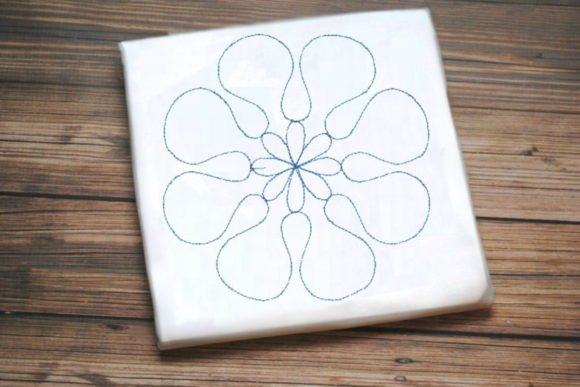
The title "Elegant One Line Flower" sets a specific expectation: sophistication through simplicity. In the world of machine embroidery, "one line" often implies a continuous, flowing contour stitch that mimics hand-drawn sketching. From a visual standpoint, this style feels modern, soft, and distinctly upscale. It avoids the cluttered look of overly dense floral clusters, making it ideal for customers who appreciate clean, farmhouse, or minimalist decor.
When I first loaded the embroidery file into my digitizing software, the immediate takeaway was its versatility. The design does not scream for attention with loud colors or complex textures; instead, it whispers quality. This subtlety is crucial for booth displays where you want your items to feel curated rather than mass-produced. For an Etsy seller or boutique maker, this level of elegance allows the product itself—the tote bag, the apron, the towel—to shine without competing with an overly busy design.
Product Application and Visual Appeal
To determine if Elegant One Line Flower is a viable craft fair product, I tested it across several common handmade items. Here is how it performed on key categories:
- Tote Bags and Market Bags: A single, elegant flower placed slightly off-center on a canvas tote creates an instant bestseller. It looks like a high-end brand logo but carries the warmth of handmade art. The clean lines photograph beautifully for online listings, ensuring that the digital image matches the physical reality.
- Aprons and Tea Towels: Kitchen textiles are impulse-buy staples at craft fairs. Stitching the design as a small accent near the hem or pocket adds personality without overwhelming the utility of the item. On a textured flour sack towel, the contrast of the smooth one-line stitch against the rough fabric creates a tactile luxury that buyers love.
- Caps and Embroidered Patches: For structured items like baseball caps, the minimal nature of the design works well because it sits comfortably on curved surfaces without bunching. As a detachable patch, it offers a chic accessory option that can be attached to backpacks or denim jackets, expanding its appeal beyond traditional home goods.
- Pillow Covers and Small Pouches: These items benefit from the design’s ability to act as a focal point. Because the flower is likely open and airy, it leaves plenty of negative space, which makes the finished product feel breathable and uncluttered.
Production Practicality for Sellers
For any commercial embroidery business, time is money. The description notes that the design is "fun and easy to stitch," which is music to a producer’s ears. Designs that rely on fewer color changes and simpler stitch types generally run faster and jam less frequently. This reliability means I can produce a batch of ten identical tea towels during a slow afternoon, confident that they will all look consistent.
The design also excels in batch production. Its clean lines translate well whether stitched on white cotton or dark linen, provided the thread contrast is managed correctly. This flexibility allows me to offer a range of small shop products using the same digital asset, maximizing the return on investment for the design purchase.
Photography and Online Marketing
In the digital age, your printable mockup is just as important as the physical product. The Elegant One Line Flower translates exceptionally well into flat-lay photography. The simplicity of the motif ensures that the focus remains on the texture of the fabric and the quality of the stitching. When creating listing images, the clean lines allow for easy integration with lifestyle props—think dried flowers, coffee cups, or rustic wood backgrounds—enhancing the "handmade gift" vibe that drives sales on platforms like Etsy.
Important Considerations for Quality Control
While the design is promising, there are practical precautions every designer must take before hitting the sell button:
- Stitch Density and Clarity: Always test the design at various sizes. One-line designs can sometimes lose their delicate character if scaled too small, appearing as thin, fragile threads that may break or look insignificant. Ensure the stitch density is sufficient to hold its shape on thicker fabrics like denim or heavy canvas.
- Fabric Texture Compatibility: Highly textured fabrics, such as waffle-weave towels or boucle knits, can obscure fine details. For these materials, consider placing the design on a smoother insert or using a slightly larger scale to ensure the "one line" effect remains visible.
- Thread Contrast: The elegance of this design relies heavily on contrast. Stitching a light-colored flower on a dark background (or vice versa) is essential. Avoid low-contrast combinations, such as beige thread on cream fabric, unless you are aiming for a very subtle, tonal look.
- Hoop Size and Stabilizer: Confirm the recommended hoop size for the final product dimensions. Using the wrong stabilizer, especially on stretchy knit fabrics for t-shirts or caps, can cause puckering that ruins the sleek appearance of the one-line stitch.
Final Verdict for Craft Fair Sellers
The Elegant One Line Flower is more than just a decorative motif; it is a strategic tool for building a cohesive brand identity. It appeals to the buyer who values understated luxury and artisanal quality. By integrating this design into a mix of tote bag designs, apron embroidery, and kitchen linens, sellers can create a unified collection that stands out in a crowded marketplace.
Before committing to large-scale production, I strongly advise creating at least one real-world mockup. Inspect the design assets closely for any gaps in the digitization, check the spacing between elements, and confirm that the commercial licensing terms allow for the sale of finished goods. If those boxes are checked, this design has the potential to become a top-performing item in your inventory, offering high perceived value with manageable production effort.