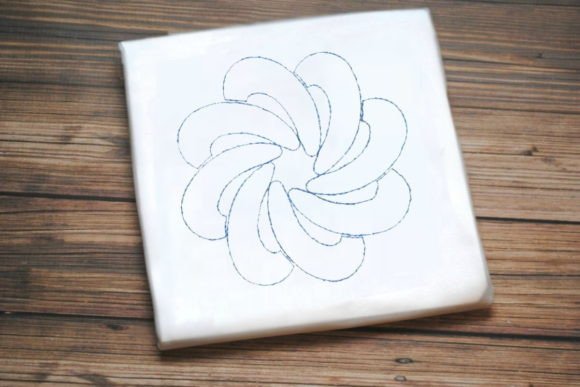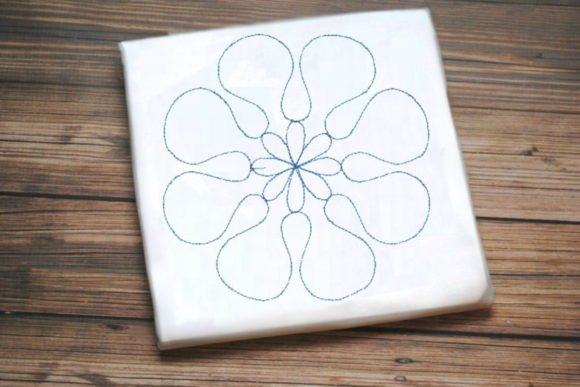
Delicate One Line Flower Embroidery Review
As an embroidery designer who has spent years turning digital files into tangible memories, I approach every new machine embroidery design with a mix of excitement and skepticism. We are always looking for that perfect balance between aesthetic appeal and stitchability. Recently, I had the opportunity to test the Delicate One Line Flower, a piece from the Single Flowers category within the broader world of Embroidery. My goal was simple: determine if this design is truly ready for my personalized gift shop and what kind of customer it will attract.
This review is based on real-world testing scenarios. I didn’t just look at the file; I stitched it. I imagined specific customer orders—a baby shower gift, a wedding keepsake, a custom apron—and evaluated how Delicate One Line Flower would perform in those contexts. If you are an Etsy seller, a small business owner, or a crafter looking to expand your inventory, here is my honest assessment of this design’s potential.
First Impressions: Mood and Aesthetic Appeal
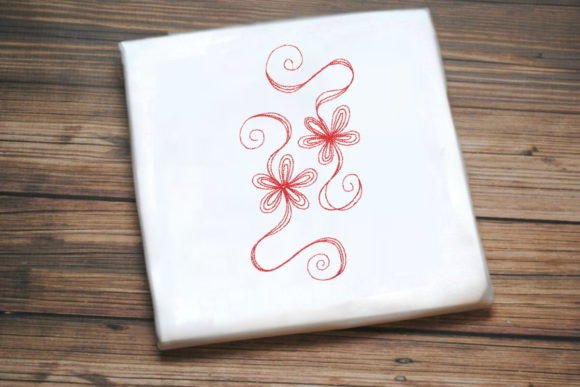
The first thing you notice about Delicate One Line Flower is its simplicity. In a market saturated with complex, multi-colored floral arrangements, there is something profoundly calming about a single-line approach. It feels modern yet timeless. The mood is elegant, romantic, and undeniably sweet. It doesn’t shout for attention; instead, it whispers, which is often exactly what buyers want when they are purchasing a personalized gift.
From a design perspective, the charm lies in its minimalism. It looks handmade even though it is created by a machine. This is crucial for handmade product sellers because it allows customers to feel like they are receiving a unique, artisanal item rather than mass-produced merchandise. Whether used on a nursery item or a kitchen towel, the design adds personality without overwhelming the fabric. It strikes a balance between playful and sophisticated, making it versatile enough for various demographics.
Real-World Application: From Concept to Customer
To truly understand the value of this embroidery file, we need to look at where it shines. I tested several use cases that are currently trending among baby product creators and wedding gift designers.
- Baby Blankets and Nursery Decor: This design is perfect for a gender-neutral baby blanket. When stitched in soft pastels, it creates a serene focal point. Parents today are moving away from loud graphics toward minimalist aesthetics. Delicate One Line Flower fits perfectly into this trend, offering a sophisticated touch for a nursery.
- Kitchen Towels and Aprons: For the home cook, adding a single flower to a linen apron or a cotton tea towel elevates the item from a utility object to a decor piece. It works beautifully as a custom embroidery addition for housewarming gifts. The clean lines stand out well against textured fabrics like waffle weave or percale.
- Wedding Keepsakes: Imagine a tote bag embroidered with this flower for a bridesmaid gift, or a pillow cover for the newlyweds. The elegance of the one-line style conveys a sense of grace and intimacy. It is subtle enough to be personal but distinct enough to be memorable.
- Etsy Listings and Digital Products: For digital product sellers, this design is a goldmine. It is easy to visualize in mockups. A printable mockup featuring this flower on a cream-colored tote bag instantly communicates quality and taste to potential buyers.
Strategic Considerations: Where to Use (and Avoid)
No design is universal, and knowing where Delicate One Line Flower should not be used is just as important as knowing where it should. As an experienced designer, I advise caution in the following scenarios:
- Small Lettering and Intricate Details: While the flower itself is clean, if you plan to combine it with very small text, ensure the font size is large enough to remain legible after stitching. The delicate nature of the flower means it can get lost if paired with overly busy elements.
- Textured and Thick Fabrics: This design performs best on smooth to medium-texture fabrics. Stitching it onto a thick terrycloth towel or a heavily napped fleece can obscure the fine lines. The needle may struggle to penetrate deeply enough, leading to inconsistent stitches.
- Stretchy Baby Clothes: Be cautious when using this on stretchy knits without proper stabilization. Delicate designs can distort easily on elastic materials. Always use a cut-away stabilizer for knit fabrics to maintain the integrity of the line work.
- Curved Surfaces: Because the design relies on straight, continuous lines, it may warp slightly if stitched on highly curved surfaces like the side of a rounded mug or a tight sleeve cuff. Flat surfaces like tote bags, pillow covers, and flat blankets are ideal.
- Dark Fabric Without Contrast: If you are using dark fabric, you must choose light or metallic thread colors. The delicacy of the design requires high contrast to be visible. Stitching white thread on black fabric might look stunning, but stitching black thread on navy blue will result in a muddy, invisible design.
Impact on Giftability and Brand Trust
When you sell personalized gifts, you are not just selling a product; you are selling an emotion. Delicate One Line Flower enhances the perceived value of your items. Customers associate clean, precise stitching with high-quality craftsmanship. When a buyer sees this design finished on a pillow cover or a blanket embroidery project, they trust that the maker cares about details.
This design also aids in product photography. Its simplicity allows the texture of the fabric and the quality of the thread to take center stage. In a crowded online marketplace, clear, high-contrast images of simple designs often perform better than cluttered ones. It helps build customer trust because the final product looks exactly like the preview. There is no surprise factor—what you see is what you get, which reduces returns and increases positive reviews.
Practical Embroidery Notes for Makers
Before you rush to produce these items for your small shop product line, please follow these practical steps to ensure success:
- Test on Scrap Fabric: Never stitch directly onto your final product. Always run a test on the exact same fabric type you plan to sell. This helps you judge the thread colors under different lighting conditions.
- Check Stitch Density: Review the stitch density in your software. Since this is a delicate design, overly dense stitching can make the fabric pucker. You want the flower to lie flat and breathe.
- Confirm Hoop Size: Ensure your hoop is large enough to accommodate the design plus any additional elements you might add, such as a name or date. A cramped hoop can lead to misalignment.
- Use Proper Stabilizer: The choice of stabilizer is critical. For woven fabrics, a tear-away might suffice, but for anything that needs durability, a cut-away stabilizer is safer. For commercial embroidery, durability is key to maintaining the product's reputation.
- Compare Light and Dark Mockups: Create digital mockups showing the design on both light and dark backgrounds. This helps you decide which thread colors to stock and how to present the product to different customer segments.
- Verify Commercial Licensing: Before selling finished products, double-check the license terms associated with the digital embroidery file. Some designers allow commercial use, while others restrict it to personal projects only. Protect your business by ensuring you have the right permissions.
In conclusion, Delicate One Line Flower is a strong contender for any designer looking to add elegance to their catalog. It is fun, easy to stitch, and delivers a gorgeous result. By understanding its strengths and limitations, you can create meaningful personalized gifts that resonate with customers and drive sales for your handmade business.