A Flower Design Review for Small Business Merch
As an embroidery designer who has spent years translating digital concepts into tangible textile art, I approach every new design file with a critical eye. We aren’t just looking for something that looks pretty on a screen; we are looking for commercial viability, brand consistency, and production reliability. Today, I am reviewing A Flower, a design from the Outline Flowers category. The description highlights it as a floral pattern consisting of abstract shapes, described as unique and perfect for fabrics needing a fresh and classical accent. But does it hold up when stitched onto merchandise? Let’s break down how this machine embroidery design performs in real-world business applications.
First Impressions: Visual Personality and Brand Fit
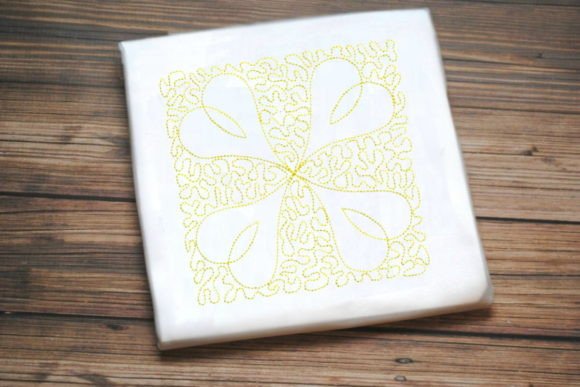
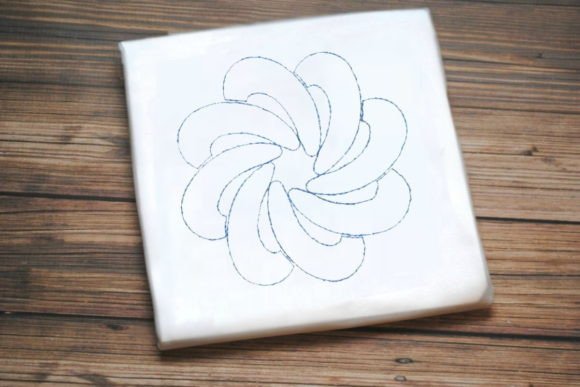
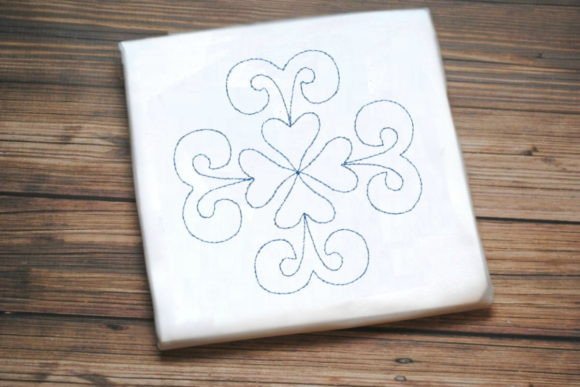
The moment you open the embroidery file for A Flower, the aesthetic speaks volumes. Because it relies on abstract shapes rather than hyper-realistic petals, it avoids the cluttered look that often plagues traditional floral designs. This abstraction gives it a modern yet timeless quality. It feels professional without being stiff, and friendly without being childish. For small business owners, this balance is crucial. You want your branded merchandise to feel premium but accessible.
The "fresh and classical" descriptor in the product title suggests versatility. It can anchor a minimalist brand identity or add a touch of elegance to a rustic handmade product. When I visualize this design, I see clean lines and intentional negative space. This makes it highly adaptable. Whether you are running a boutique florist shop, a creative studio, or a local bakery, A Flower offers a visual language that is sophisticated enough for high-end packaging accents but playful enough for casual tote bag designs. It bridges the gap between decorative art and functional branding effectively.
Real-World Applications for Small Business Merch
In my experience, the true test of any digital embroidery file is its performance across different product types. Here is how A Flower translates to physical goods for entrepreneurs, Etsy sellers, and apparel decorators.
- Embroidered Patches: This design shines as an embroidered patch. The abstract nature means fewer tiny details to get lost in the stitching process. It works beautifully as a chest logo accent on work shirts or as a standalone badge on denim jackets. The outline style allows for clean edges, which is vital for cut-and-sew patches used by uniform manufacturers.
- Caps and Headwear: Cap embroidery requires designs that withstand curvature. A Flower’s balanced composition ensures it doesn’t look distorted when stitched onto the front panel of a trucker hat or a structured cap. It serves as an excellent focal point for event merch or staff uniforms in the hospitality industry.
- Tote Bags and Aprons: For crafters selling canvas totes or linen aprons, this design adds immediate value. On an apron, it provides a subtle brand mark near the pocket. On a tote bag, it acts as a primary graphic that complements text-based logos. The abstract shapes allow it to sit well alongside other design assets without creating visual noise.
- Product Packaging and Labels: Many small businesses use branded tags sewn into clothing or gift boxes. A Flower is compact enough to fit on standard garment labels while remaining legible. It elevates the perceived value of the finished product, signaling to the customer that attention to detail matters.
- Custom Apparel Accents: Beyond main logos, this design works well as a sleeve detail or a back-of-neck accent. It adds a layer of personality to custom apparel, helping brands stand out in a crowded marketplace.
Strategic Considerations and Usage Warnings
While A Flower is versatile, no single design fits every scenario perfectly. As a designer, I must advise caution in specific areas to ensure your investment pays off.
First, consider the scale. If you plan to use this as a tiny lettering accent or a very small patch (under two inches), the abstract shapes might merge together. Always check if the design works at your intended patch size before committing to bulk production. Similarly, on curved surfaces like the brim of a cap or the shoulder of a shirt, distortion can occur. Test the placement carefully.
Stitch density is another critical factor. Designs with heavy stitch counts can cause fabric puckering, especially on lightweight materials like thin cotton tees or delicate linens. If your fabric texture is coarse or uneven, such as burlap or thick wool, ensure the stabilizer choice compensates for the tension. Conversely, on smooth fabrics, the design may slide during hooping if not stabilized properly.
Thread color contrast cannot be overlooked. Dark uniforms require light thread colors to make the abstract shapes pop. If you are using low-contrast threads, the design may lose its definition. Also, keep in mind items that need frequent washing. While embroidery is durable, loose ends or poorly secured stitches on detailed outlines can fray over time. Reinforce your stitching parameters for high-wear items like work shirts.
Impact on Brand Identity and Customer Trust
Investing in quality embroidery is an investment in your brand identity. A well-executed design like A Flower communicates professionalism and stability. Customers subconsciously associate high-quality finishing with product reliability. When a buyer sees a crisp, clean embroidered logo on a tote bag or a uniform, it builds trust and recognition.
This design supports visual consistency across your product line. Because it is abstract and classic, it pairs easily with various color palettes and typography styles. This flexibility helps maintain a cohesive handmade presentation, whether you are selling on Etsy or through a brick-and-mortar boutique. Furthermore, unique design assets like this help differentiate your brand from competitors who rely on generic clipart-style graphics. It enhances buyer engagement by offering a tactile, premium experience that prints simply cannot replicate.
Practical Designer Notes for Production
Before you run A Flower on your production machine, follow these essential steps to avoid costly errors:
- Test in Black and White: Convert the design to black and white in your software first. This helps you evaluate the shape and spacing without the distraction of thread colors.
- Check Hoop Size: Confirm the hoop size required by the file matches your machine’s capabilities. Ensure the design fits within your desired garment area.
- Review Thread Color Contrast: Select thread colors that provide sufficient contrast against your target fabric. Test a sample swatch to verify the final look.
- Inspect Spacing and Density: Look closely at the spacing between the abstract shapes. Are there any areas where the needle might hit the same spot repeatedly, causing damage?
- Use Proper Stabilizer: Choose a stabilizer appropriate for your fabric type. Tear-away for wovens, cut-away for knits, and water-soluble for delicate or unstable fabrics.
- Create a Mockup: Generate a printable mockup to show clients or stakeholders before full production. This manages expectations and secures approval.
- Confirm Commercial Licensing: Most importantly, verify that you have the right to use this digital embroidery file for commercial purposes. Check the license terms included with your purchase to ensure you are compliant.
In conclusion, A Flower is a strong candidate for small business merchandise. Its abstract, classical style offers flexibility and professionalism. By paying attention to fabric selection, stabilization, and licensing, you can leverage this design to create high-quality branded products that resonate with your customers. It is a solid addition to any embroidery designer’s toolkit for commercial projects.