Review: Christmas Card Embroidery Design for Market Sellers
As an embroidery designer who spends weekends hunched over my machine and weekdays prepping booths for local craft fairs, I have learned one hard truth: visual appeal sells before the product even leaves the table. When evaluating a new digital asset for my shop or handmade collection, I don’t just look at the file; I look at the finished product. Today, I am reviewing the Christmas Card embroidery design to determine its viability as a high-margin item for holiday markets, Etsy listings, and boutique gift shops.
First Impressions: The Holiday Hook
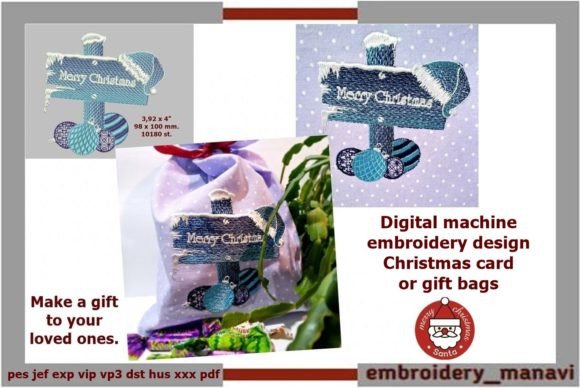
The title Christmas Card immediately suggests nostalgia, warmth, and personal connection. In the world of handmade goods, we are not just selling fabric and thread; we are selling the feeling of opening a letter from a loved one during the holidays. Based on the description, this is an In The Hoop (ITH) design intended for gift bags, napkins, T-shirts, and accessories. This versatility is a massive plus for small business owners looking to maximize their inventory with minimal design changes.
My initial judgment is that this design leans into the "festive" and "decorative" categories. It likely features clean lines and recognizable holiday motifs that read well from three feet away—a crucial metric for booth traffic. Unlike complex, dense patterns that require close inspection to appreciate, a successful market design must communicate its theme instantly. The Christmas Card concept promises exactly that: instant recognition of the season without requiring explanation.
Product Versatility and Market Fit
One of the biggest challenges for an Etsy seller or crafter is creating a cohesive collection that appeals to different buyer personas. The Christmas Card design excels here because it functions effectively across multiple product types. Here is how I see it performing in real-world scenarios:
- Tote Bag Design: A canvas tote embroidered with this design becomes an immediate impulse buy. The sturdy fabric provides a perfect neutral background, allowing the thread colors to pop. It transforms a generic bag into a seasonal accessory.
- Apron Embroidery: For the home baker or hostess, an apron featuring this motif adds a touch of charm to the kitchen. It elevates a utilitarian item into a giftable handmade product.
- Tea Towel Embroidery: Kitchen textiles are staples at craft fairs. If the design fits within the hem or center panel, it offers high perceived value for a low material cost.
- Embroidered Patch: If the design allows for a neat border, turning it into a patch opens up a whole new market for denim jackets, beanies, and backpacks.
- Fabric Pouches and Gift Bags: As noted in the product description, this works beautifully for small gifts. A pouch containing homemade cookies or tea becomes significantly more attractive with personalized embroidery.
By offering variations on these themes, you create a "shop the look" experience for your customers. Whether they want a wearable item or a home decor piece, the Christmas Card design ties the collection together through brand consistency.
Production Practicality: Batch vs. Custom
For any commercial embroidery operation, time is money. I evaluate designs based on their efficiency. Does the Christmas Card design allow for quick hooping and stitching? Since it is described as an In The Hoop design, it likely includes construction steps, which can save time compared to appliqué methods that require precise cutting and placement.
However, batch production requires consistency. You need to ensure that the stitch density is uniform so that every single unit looks identical. If the design relies on tiny details or very thin text, you risk losing clarity when running multiple units back-to-back. I always advise testing the design on scrap fabric first to check for thread breaks or tension issues. A smooth-running design means higher output and fewer frustrated customers receiving flawed items.
Visual Appeal and Photography
In the digital age, your printable mockup is often the first point of contact with a customer. A strong machine embroidery design must translate well to 2D images. The Christmas Card concept likely uses classic holiday colors—reds, greens, golds, or whites—which photograph beautifully against natural light backgrounds.
When setting up your booth or listing, consider how the texture of the embroidery interacts with the lighting. Raised stitches catch the light and add depth to photos. If the design has large areas of solid fill, ensure there is enough variation in the stitch direction to prevent a flat, shiny appearance. A well-executed embroidery file should look tactile and premium, encouraging the buyer to imagine touching the texture.
Careful-Use Notes and Technical Checks
Before committing to mass production, every experienced maker knows to run a diagnostic check. Here are specific pitfalls to watch for with this design:
- Dense Stitch Areas: Check if the design has large blocks of satin or fill stitches. On lightweight fabrics like napkins, this can cause puckering. Use a cut-away stabilizer to maintain structure.
- Small Lettering: If the card includes text, ensure the font size is large enough to be legible. Tiny letters often blur together in embroidery, especially on textured surfaces like towels.
- Fabric Texture: Avoid using this design on highly textured fabrics like heavy waffle weave or boucle unless you have tested it thoroughly. The needle may struggle to penetrate, or the design may distort.
- Hoop Size Constraints: Confirm the hoop size required by the file. If the design is larger than your standard 5x7 hoop, you will need to reposition or resize it, which can alter the aspect ratio and visual balance.
- Thread Contrast: Test your thread colors against your chosen fabric. A dark green design on black fabric may disappear. High contrast ensures the design stands out.
Strategic Selling Points
When marketing this small shop product, focus on the emotional benefit. Emphasize that each item is made with care, using quality threads and stable foundations. Highlight the finished product as a meaningful gesture rather than just a commodity. Customers at craft fairs are looking for unique items they cannot find in big-box stores.
Additionally, consider the design assets you provide. If you sell the digital file, include instructions on recommended fabrics and stabilizers. If you sell physical goods, offer customization options, such as adding a recipient’s name. This personalization increases the perceived value and justifies a higher price point.
Final Verdict
The Christmas Card embroidery design appears to be a strong contender for the holiday market. Its versatility across totes, apparel, and home decor makes it a flexible tool for creative entrepreneurs. By paying attention to technical details like stabilizer selection and thread contrast, you can ensure that every piece you produce meets professional standards.
Remember to review the specific file details, such as exact stitch counts and commercial licensing terms, before launching your campaign. With proper preparation, this design can become a standout item in your booth display and a bestseller in your online store. Happy stitching, and may your holiday sales be merry and bright!