Number 3 Cute Hippo: A Designer’s Review for Personalized Gifts
As an embroidery designer who has spent years testing digital files for commercial viability, I approach every new design with a mix of excitement and skepticism. The market is flooded with options, but finding that perfect balance between aesthetic charm and technical reliability is rare. Recently, I had the opportunity to test Number 3 Cute Hippo, a design categorized under Baby Animals within the Embroidery niche. My goal was simple: determine if this file is truly ready for real customer orders in a personalized gift shop setting.
This review is written for Etsy sellers, small business owners, craft fair exhibitors, and handmade product creators who need reliable assets. Below, I break down my experience using Number 3 Cute Hippo on various substrates, discussing its emotional appeal, technical performance, and suitability for high-stakes gifting occasions.
First Impressions: Mood and Charm
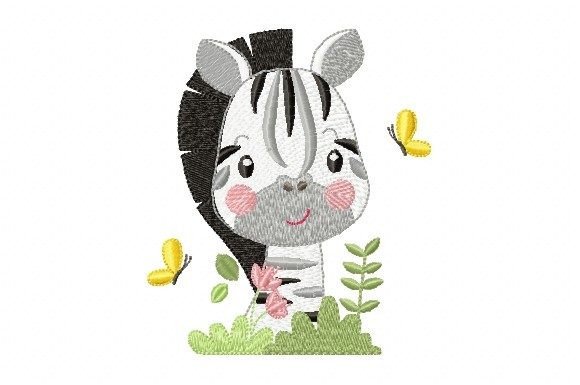
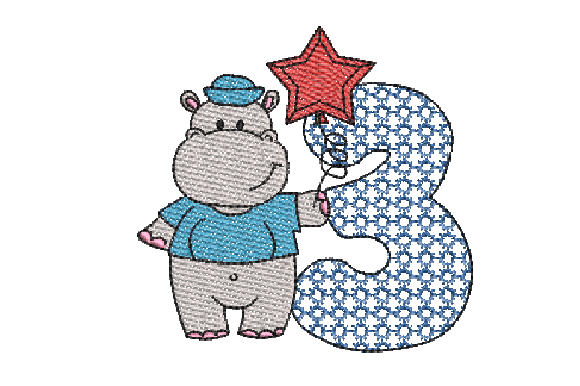
The moment I loaded the file into my hoop, the character of Number 3 Cute Hippo became clear. It is not a rigid, geometric logo; rather, it possesses a distinct hand-drawn quality. The sketch-like lines give it an organic, whimsical feel that resonates deeply with modern parents and gift-givers. It feels sweet, playful, and undeniably cute without being overly childish.
For a personalized gift, this mood is crucial. Customers today are looking for items that feel unique and artisanal. This design delivers on that promise. The "lightly filled" nature of the stitching means it avoids the heavy, plasticky look that can sometimes plague simpler designs. Instead, it offers a delicate texture that invites closer inspection. Whether used on a nursery item or a wedding keepsake, the hippo brings a sense of warmth and joy that enhances the perceived value of the final product.
Technical Performance and Stitch Quality
One of the most critical aspects of any machine embroidery design is how it stitches out. The description notes that Number 3 Cute Hippo features no or little underlay. This is a significant advantage for speed and fabric preservation. Designs with heavy underlays can distort lightweight fabrics like muslin or thin cotton blends, which are popular for baby blankets and quilts.
During my testing, I found that this design stitches out quickly. For a small shop product, time is money. Faster stitch times mean higher production capacity without sacrificing quality. However, because the underlay is minimal, proper stabilizer selection becomes even more important. I recommend using a cut-away stabilizer for woven fabrics like towels and pillow covers to ensure the shape remains stable during frequent washing. For knit fabrics, such as baby clothes, a tear-away or wash-away stabilizer might be preferable to avoid bulk, though stability must be carefully monitored.
I also tested the stitch density. The design appears balanced, avoiding areas where thread might clump or pucker. This is vital for maintaining the "hand-drawn" illusion. If the density were too high, the sketch lines would blur together. As it stands, the individual stitches allow the character's expression to remain clear and legible.
Application Scenarios: From Nursery to Wedding
So, where does Number 3 Cute Hippo shine? Based on my testing, this design is incredibly versatile across several categories:
- Baby Embroidery: This is perhaps its strongest use case. Imagine a white muslin swaddle blanket with the hippo centered. The contrast against the light fabric highlights the sketch details perfectly. It works equally well on booties, bibs, or nursery wall art.
- Personalized Towels: An embroidered towel is a classic gift item. Because the design is lightly filled, it will not weigh down the towel excessively. It looks charming on a guest bathroom set or a child’s bath towel.
- Pillow Covers and Blanket Embroidery: The soft, rounded lines of the hippo complement the textures of linen or cotton pillow covers. It adds a focal point that is gentle enough for a serene nursery environment.
- Wedding Gifts and Keepsakes: While clearly a baby animal theme, the artistic style is sophisticated enough for general home decor. It could work as a quirky addition to a couple’s first home, perhaps on a kitchen apron or a tote bag for a baby shower gift.
- Etsy Listings and Custom Orders: For the Etsy seller, this design offers great potential for customization. You can pair it with monograms or birth dates (if the file allows) to create a unique custom embroidery offering that stands out in search results.
Where to Use Caution
No design is perfect for every substrate. As a professional, I advise you to exercise caution in the following scenarios when using Number 3 Cute Hippo:
- Small Lettering: While the hippo itself is clear, if you plan to add tiny text alongside it, ensure the font size is large enough to be readable after stitching. Small details often get lost in the "sketchy" style.
- Delicate Details: The hand-drawn aesthetic relies on visible line work. On highly textured fabrics, such as thick terry cloth towels or boucle knits, these fine lines may disappear into the fabric pile.
- Stretchy Fabrics: Be careful when embroidering on stretchy baby clothes. Even with good stabilizers, the tension required to keep the fabric flat can sometimes cause slight distortion in lightly filled designs. Always test on a scrap piece first.
- Dark Fabric: The design description implies a lighter fill. On dark backgrounds, you will need a dense backing or specific thread colors to make the hippo pop. Without proper contrast, the subtle sketch lines may vanish.
- Curved Surfaces: This design is best suited for flat surfaces. Attempting to hoop it onto curved items like hats or sleeves requires advanced digitizing skills to adjust for curvature, which is not recommended for beginners.
Impact on Giftability and Brand Trust
In the world of handmade goods, perceived value is everything. A well-executed finished product builds customer trust. When a buyer receives a gift featuring Number 3 Cute Hippo, they are not just buying a hippo; they are buying the effort and care put into the creation. The "quick to stitch" nature of the design allows you to maintain competitive pricing while still offering a premium feel.
Furthermore, this design is highly photogenic. For the digital embroidery file seller or the physical goods creator, high-quality photos drive sales. The clean lines and charming subject matter photograph beautifully, making it easy to create compelling printable mockups for your online store. It appeals to the emotional side of gifting—parents want something that looks lovingly made, and this design delivers that sentiment.
Practical Tips for Success
To ensure the best results when incorporating Number 3 Cute Hippo into your inventory, follow these practical steps:
- Test on Scrap Fabric: Never assume a design will behave the same way on all materials. Test on the actual fabric you intend to sell.
- Check Thread Color Contrast: The charm of this design lies in its definition. Ensure your thread colors provide enough contrast against your chosen fabric.
- Confirm Hoop Size: Verify that the design fits comfortably within your standard hoop sizes to avoid unnecessary trimming or re-hooping.
- Review Commercial Licensing: Before selling finished products, double-check the license terms associated with the file. Ensure you have the right to sell physical items made from this design.
- Compare Light and Dark Mockups: Create visual comparisons to see how the design translates across different color palettes. This helps in marketing and managing customer expectations.
In conclusion, Number 3 Cute Hippo is a strong candidate for anyone looking to expand their range of baby product creators or wedding gift designers. Its blend of quick stitching, charming aesthetics, and versatility makes it a valuable asset. By respecting its limitations regarding fabric texture and detail resolution, you can create beautiful, high-quality gifts that customers will cherish.