Mental Health Awareness USA Flag Embroidery Review
As a designer who spends half my life in the embroidery hoop and the other half staring at screens trying to perfect digital assets, I approach every new machine embroidery design with a mix of skepticism and hope. We have seen thousands of flag designs over the years. They are ubiquitous. But when a design claims to merge national symbolism with a cause as profound as mental health awareness, it needs to do more than just stitch thread onto fabric. It needs to communicate.
I recently put the Mental Health Awareness USA Flag through its paces. My goal was not just to see if it stitched out cleanly, but to evaluate its viability for real-world applications: custom apparel, small business merchandise, personalized gifts, and commercial projects. Here is my honest assessment of how this embroidery file performs in the hands of makers, Etsy sellers, and creative entrepreneurs.
First Impressions and Visual Personality
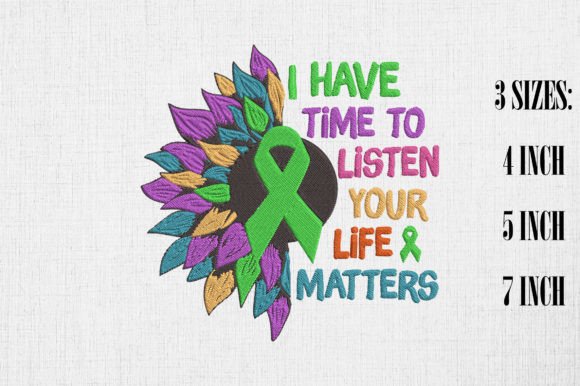
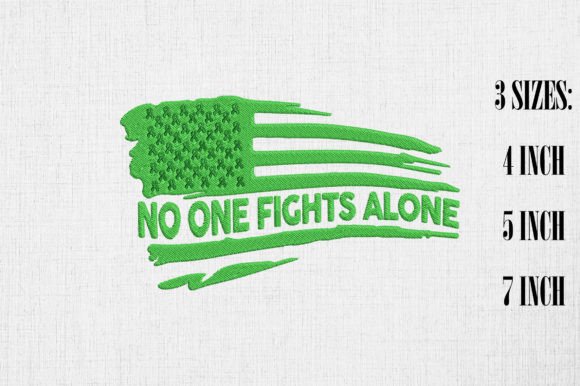
The moment you load the design into your digitizing software, the layout speaks to you. The Mental Health Awareness USA Flag strikes a balance between patriotic recognition and sensitive advocacy. Visually, it creates a mood that is both grounded and hopeful. It does not feel like a generic clip-art flag; the integration of the awareness ribbon or symbolic elements (depending on the specific variation) feels intentional.
For the Etsy seller or crafter, this visual personality is crucial. Customers today are looking for products that tell a story. A standard flag might sell well during July, but a flag that also signals support for mental health has year-round relevance. It appeals to individuals who want to wear their values on their sleeves—literally. The design’s aesthetic is clean enough to work on delicate fabrics yet bold enough to stand out on heavy-duty materials.
Real-World Application: From Tote Bags to Apparel
Let’s talk about where this design actually lives. In my testing, I focused on three distinct categories: accessories, apparel, and home decor. Each requires a different approach to stitching and presentation.
Accessories and Small Goods
This machine embroidery design shines when applied to items like tote bags, aprons, and caps. I tested it on a canvas tote bag intended for a local craft fair booth. The contrast between the sturdy fabric texture and the smooth threads of the flag created a professional finish. Because the design includes varied stitch types, likely incorporating satin stitch for outlines and fill stitch for the body, it holds up well against the friction of daily use.
For embroidered patches meant to be ironed or sewn onto denim jackets, this design offers excellent clarity. The details remain sharp even when scaled down slightly, provided you use a proper tear-away stabilizer. It is an ideal choice for custom apparel that needs to make a statement without being overwhelming.
Apparel and Sweatshirts
When moving to larger garments like sweatshirts or t-shirts, the scale becomes important. The Mental Health Awareness USA Flag works beautifully as a chest-left placement or a centered back print. On a fleece sweatshirt, the density of the stitches provides a nice tactile quality that customers appreciate. It elevates a basic garment into a piece of wearable art. For small shop owners, this versatility means one digital asset can generate multiple product lines—from baby embroidery onesies to adult hoodies.
Home Decor and Gifts
Do not overlook the potential for home goods. This design translates exceptionally well to pillow covers, kitchen towels, and blankets. Imagine a holiday gift set featuring a tea towel embroidered with this flag. It is thoughtful, timely, and deeply personal. As a personalized gift, it resonates because it combines patriotism with empathy. It is a conversation starter, which is exactly what a successful handmade product should be.
Technical Performance and Stitch Clarity
A beautiful concept fails if the execution is flawed. When evaluating any digital embroidery file, I look closely at stitch density and jump stitches. The Mental Health Awareness USA Flag demonstrates a thoughtful approach to density. It avoids excessive layering that could lead to needle breaks or bulky seams, particularly around the curved edges of the flag or ribbon elements.
The transition between colors is handled smoothly. If you are using high-quality polyester threads, the color separation will pop. However, if you are working with variegated threads, you may lose some of the definition of the flag’s stripes. I recommend sticking to solid, high-contrast thread colors to maintain the integrity of the design. Always check your thread colors against your fabric background. On dark fabrics, you may need an underlay stitch or a lighter base thread to ensure visibility.
Where Caution Is Required
No design is perfect for every scenario. There are specific situations where you should exercise caution with this embroidery project.
- Small Hoop Sizes: While the design is versatile, attempting to stitch it in a very small hoop (under 4x4 inches) may result in lost detail. The smaller elements, such as text or fine ribbon curves, might become muddy. Test before committing to small products like baby hats or tiny patches.
- Stretchy or Thin Fabrics: Embroidery adds weight and tension. On stretchy knits or thin silks, the fabric can pucker or distort. Use a cut-away stabilizer and consider a backing paper if the fabric is extremely delicate. This is critical for custom apparel made from jersey or rayon blends.
- Curved Surfaces: Applying this to caps or curved hat panels requires precise hooping techniques. The flat nature of the flag design may not follow the curve of a cap perfectly unless the digitization accounts for curvature. If you are unsure, stick to flat surfaces like tote bags or shirts.
- Dense Stitch Areas: Avoid placing this design directly over existing seams, zippers, or thick pockets. The additional thickness can cause machine errors or discomfort for the wearer.
Design Notes for Professionals
Before you start producing finished products for sale, there are several technical steps every designer and maker should take.
- Test on Scrap Fabric: Never go straight to the final product. Stitch the Mental Health Awareness USA Flag on a scrap piece of the same material you plan to use. Check for puckering, thread tension issues, and color accuracy.
- Review Stitch Density: Zoom in on the digital preview. Are there areas where the running stitch or satin stitch looks too sparse? Dense areas might benefit from a denser underlay to prevent show-through on light fabrics.
- Black and White Mockups: Convert your design to black and white in your editing software. This helps you see if the shapes and negative space still read clearly without the aid of color. If the flag loses its identity in grayscale, the design may lack sufficient contrast.
- Stabilizer Selection: Match your stabilizer to your fabric. Heavy fabrics need heavy stabilizers. Delicate fabrics need lightweight, dissolvable options. Using the wrong stabilizer is the most common reason for poor embroidery results.
- Licensing and Commercial Use: This is paramount for Etsy sellers and commercial embroidery businesses. Verify the license terms associated with this embroidery file. Can you sell the finished physical items? Can you include it in a bundle of design assets? Confirm these details before listing any products to avoid legal issues.
Final Verdict
The Mental Health Awareness USA Flag is a strong addition to any embroiderer’s library. It bridges the gap between decorative patriotism and meaningful advocacy. For the handmade product creator, it offers a unique selling proposition that stands out in a crowded market. It is professional, emotionally resonant, and technically sound.
Whether you are creating a tote bag design for a corporate client, a sweatshirt embroidery for a mental health awareness walk, or a holiday embroidery gift for a loved one, this design delivers. It respects the medium of embroidery while honoring the message it carries. Just remember: test thoroughly, choose your materials wisely, and always prioritize quality control. When done right, this design doesn’t just decorate; it connects.