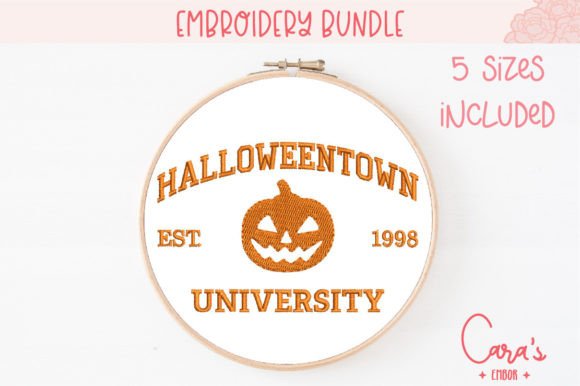
Halloweentown Embroidery Design Review
If you are a craft fair seller, embroidery business owner, or handmade shop owner preparing for the upcoming seasonal rush, your booth display needs to stop people in their tracks. As an experienced embroidery designer who has spent years judging designs for market viability, I look at digital files differently than a hobbyist does. I don’t just see pixels; I see stitch counts, production time, and retail potential. Today, I am reviewing the Halloweentown design file to determine if it belongs on your table this weekend.
First Impressions: The Vibe Check
When you first load the Halloweentown design into your software, the title alone sets a specific mood. It suggests a blend of whimsy, community spirit, and classic autumnal charm. For a craft fair product, this is crucial. Customers at markets are looking for items that feel personal and festive but not overly scary or cheaply made. This design appears to strike a balance between decorative and premium. It feels like a piece that would sit comfortably next to farmhouse decor or modern minimalist gifts. If your brand leans toward rustic or boutique aesthetics, this embroidery file likely aligns with your visual identity. However, if your niche is strictly high-fashion or ultra-minimalist, you may need to test how it photographs before committing to bulk production.
Product Applications: Where Does It Shine?
The description advises trying this amazing design on home decor, clothes, accessories, bedsheets, or anything else. While the possibilities are vast, not all applications will yield the same profit margins or customer interest. Here is my breakdown of where Halloweentown performs best as a handmade product.
Tote Bags and Market Totes
A tote bag design is often the bread and butter of any craft booth. The sturdy canvas provides a perfect neutral background that allows the thread colors to pop. When designing for totes, you want something that looks good from a distance. Halloweentown works well here because it serves as a focal point. It transforms a generic canvas bag into a statement piece. Ensure you use a cut-away stabilizer to prevent puckering, especially if you are running these through a multi-head machine for batch production.
Aprons and Kitchen Towels
For the home cook or the baker selling their goods, apron embroidery and tea towel embroidery are top sellers. The texture of a linen tea towel can sometimes distort fine details, so you must evaluate the stitch density of this design. If Halloweentown has large solid fill areas, it will look crisp and professional. If it relies heavily on tiny satin stitches for lettering, it might get lost in the weave of the fabric. These items make excellent impulse buys at checkout counters.
Caps and Embroidered Patches
Embroidered patches and caps are high-margin items. They require precision. When digitizing or using a pre-made file for curved surfaces like caps, the hoop size and placement are critical. A design that is too wide may not fit standard 5x7 hoops effectively when centered on a cap front. Test this design on scrap fabric shaped like a cap brim to ensure the curvature doesn’t stretch the imagery out of proportion.
Pillow Covers and Home Decor
Small pillow covers are a fantastic way to sell higher-priced items. The larger surface area allows customers to appreciate the quality of the stitching. This category appeals to buyers looking for giftable handmade items. Just be mindful of the back side of the embroidery; clean backing is essential for a premium feel.
Production Practicality and Quality Control
As a designer, I cannot stress enough the importance of testing before you list an item on Etsy or print a printable mockup. The description notes that resizing or editing the design is not recommended and quality cannot be guaranteed if altered. This is a major red flag for flexibility. You must work within the original dimensions.
Here are the practical steps you must take:
- Check Stitch Density: Look closely at the stitch density in the design. Dense areas can cause needle breaks or fabric distortion if not supported correctly. If the design is too dense for lightweight cotton, it may feel stiff and uncomfortable.
- Thread Contrast: Select thread colors that contrast sharply with your base fabric. On dark fabrics, lighter threads may require a underlay or a different stabilizer to appear vibrant. On light fabrics, ensure the design isn’t too faint.
- Fabric Texture: Remember that fabric texture affects clarity. A rough burlap tote bag will hide small details faster than a smooth percale sheet. Stick to smoother fabrics for complex designs.
- Stabilizer Selection: Always use the right stabilizer. For woven bags, a tear-away or cut-away depending on the final wash requirements is vital. For knits like t-shirts, a water-soluble topping might help keep stitches flat.
Selling Strategy: Visual Appeal and Brand Consistency
In a physical market, your booth display strength determines sales. Halloweentown should be displayed prominently. Use it on a mannequin or hang it on a rack where it catches the eye. For online Etsy seller listings, your photos must show the texture of the thread. Close-up shots that highlight the sheen of the polyester or rayon thread add perceived value. Buyers want to know they are purchasing a commercial embroidery quality item, not a printed transfer.
This design also supports brand consistency. If you are building a line of autumn-themed goods, having a cohesive aesthetic across your aprons, pillows, and bags builds trust. Customers return to shops that look curated. By using Halloweentown across multiple product types, you create a recognizable style that says "quality handmade" every time someone sees your logo or tag.
Final Verdict and Designer Notes
Before you commit to producing dozens of units, remember the warnings in the product description. Do not resize. Do not edit. If you need a smaller version, you must find a different file or accept the risk of poor quality. This limits your ability to adapt the design for different price points, such as a mini-pouch versus a full-size tote.
I advise creating at least one real mockup. Embroider it yourself. Inspect the finished product for any loose threads, gaps in coverage, or tension issues. If the design holds up, it is a strong candidate for your inventory. It offers a versatile appeal that fits both the playful spirit of Halloween and the elegant touch of fall home decor.
For those wondering about technical specifics like exact digital embroidery file formats (DST, PES, JEF) or precise design assets licensing, you must check the source directly. Commercial licensing is non-negotiable if you plan to sell these items. Without proper rights, you risk legal trouble. Assuming the license permits commercial use, Halloweentown is a solid addition to your toolkit for any small shop product line looking to capture the holiday market.
Ultimately, success at craft fairs comes down to presentation and quality. If Halloweentown meets your standards for stitch quality and visual impact, it has the potential to be a bestseller. Treat it with respect, test it thoroughly, and let the craftsmanship speak for itself.