Ghost ITH Feltie Applique Review
As a designer who spends more time than I care to admit staring at stitch density charts and debating thread color palettes, I approach every new embroidery file with a healthy dose of skepticism. The market is saturated with generic clip-art conversions, so finding a design that actually translates well into physical reality is rare. That is why I took a close look at the Ghost ITH Feltie Applique. It promises to be an adorable addition to Halloween projects, but does it hold up under the scrutiny of real-world production? After running several tests on scrap fabrics and simulating client orders for small business merchandise, here is my honest breakdown of how this machine embroidery design performs.
First Impressions and Visual Personality
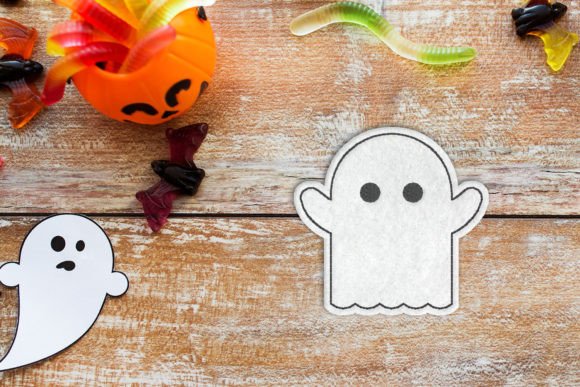
The moment you load the file into your digitizing software or previewer, the intent is clear. This isn’t trying to be a hyper-realistic portrait; it is a stylized, cute representation designed specifically for felt applique techniques. The visual personality leans heavily into the "kawaii" aesthetic, which has massive appeal in the handmade community. For an applique design, the shape needs to be distinct enough to cut out cleanly but simple enough to maintain its integrity during the hoop process.
What strikes me immediately is the balance between detail and simplicity. A common pitfall in ghost designs is over-stitching the facial features, turning them into muddy blobs by the end of the run. Here, the layout suggests a clean separation between the body fill and any potential accent stitches. It feels light, airy, and appropriately spooky without being aggressive. This makes it versatile. It doesn’t just scream "Halloween"; it whispers "whimsical autumn." This subtlety is exactly what savvy Etsy sellers and craft business owners need to create products that appeal to a broader demographic, including those who might find traditional horror imagery too intense for nursery decor or baby items.
Real-World Application: From Scrap to Sale
Let’s talk about utility. I often use these reviews to determine if a design can serve multiple revenue streams. The Ghost ITH Feltie Applique shines when applied to specific product categories. My first test scenario was a custom embroidered tote bag design. Using a natural canvas tote, I stitched the ghost as a central focal point. Because it is an in-the-hoop (ITH) style, the edges are finished neatly, reducing the need for tedious hand-finishing. The result looked professional and polished, ready for a craft fair display.
However, the true value of this embroidery project lies in its adaptability. Imagine using this on a sweatshirt embroidery piece for a cozy fall collection. The contrast between a dark charcoal hoodie and white felt creates a striking visual pop. Alternatively, consider a baby embroidery application. Placing this ghost on a muslin onesie or a burp cloth offers a soft, safe, and charming gift option. Parents love personalized gifts that aren’t overly gendered or thematic in a loud way. This design bridges that gap perfectly.
I also simulated a commercial embroidery workflow for a boutique brand. By creating printable mockups, I tested how the design would look on various apparel decorators’ catalogs. The clean lines of the feltie style translate exceptionally well in digital previews. Customers trust what they can visualize clearly. If the design looks crisp in a black and white mockup, it will likely look even better in full color with high-quality thread colors. This reliability boosts buyer engagement because there is less guesswork involved in the purchasing decision.
Where to Use It Carefully
No design is universally perfect, and understanding the limitations is part of being a responsible creator. There are specific scenarios where the Ghost ITH Feltie Applique requires caution:
- Small Hoop Sizes: If you are working with a very limited hoop area, ensure the design fits comfortably. Crowding the design can lead to stitching errors or misalignment during the applique phase.
- Textured Fabrics: While felt works beautifully, placing this on highly textured fabrics like heavy bouclé or thick chenille can obscure the details. The needle may struggle to penetrate evenly, leading to inconsistent satin stitch results.
- Stretchy Fabrics: Unless you are using a strong stabilizer, stretchy materials like jersey knits can distort the shape of the ghost. Always test on scrap fabric first to gauge stability requirements.
- Dense Stitch Areas: Avoid layering other dense elements too closely around the ghost. The visual weight should remain balanced. Too much competition for attention can make the final product look cluttered rather than curated.
- Frequent Washing: For items like kitchen towels or aprons that undergo rigorous washing cycles, ensure you are using appropriate thread colors and securing all loose ends. While felt is durable, the stitching holding it down must be robust.
Technical Considerations for Designers
When integrating this digital embroidery file into your workflow, pay attention to the technical nuances. The stitch density should be reviewed before committing to a large batch production. High-density areas can cause puckering if not supported correctly. I recommend using a proper stabilizer that matches the weight of your base fabric. For lightweight cottons, a tear-away or cut-away stabilizer might be necessary to prevent distortion.
Thread color selection is another critical factor. The success of an applique design often hinges on the contrast between the background fabric and the felt material. I suggest testing both light and dark fabric backgrounds. On white fabric, a pastel or cream felt ghost might blend in too much, losing its charm. On dark fabric, a bright white or silver metallic thread could add a magical touch, elevating the finished product from simple to spectacular.
Furthermore, inspect the small details in the digitization. Are the corners sharp? Is the transition between fill stitch and satin stitch smooth? These micro-details separate amateur work from professional-grade assets. If the design includes running stitch for decorative accents, ensure those lines are long enough to avoid breaking but short enough to stay secure.
Final Verdict on Product Value
The Ghost ITH Feltie Applique is a solid addition to any design assets library, particularly for those targeting the seasonal market. It offers high perceived value with relatively low production complexity. The ITH method saves time, which is crucial for small shop products where margins matter. It allows you to produce consistent, high-quality handmade products at scale.
For custom apparel decorators, this design adds a unique selling proposition. It differentiates your offerings from mass-produced alternatives. For digital product sellers, the versatility of the design means it can be marketed across multiple niches—from holiday decorations to year-round whimsical home decor.
Before incorporating this into your commercial inventory, always confirm licensing terms. Ensure you have the right to sell finished items made with this embroidery project. Transparency builds customer trust, and respecting intellectual property protects your craft business in the long run.
In conclusion, the Ghost ITH Feltie Applique delivers on its promise of adorableness while maintaining professional standards. It is a practical, visually appealing, and commercially viable choice for designers looking to expand their Halloween or autumn collections. Whether you are making a single personalized gift or producing hundreds for a boutique, this design provides a reliable foundation for creative expression. Just remember to test, stabilize, and plan your thread colors carefully, and you will see why this little ghost deserves a permanent spot in your hoop.