Cute Cherry and Flowers Embroidery Review
As an experienced embroidery designer who spends countless hours at the machine, I know that not every digital file translates well into a physical product. When I first looked at the Cute Cherry and Flowers design, my immediate reaction was one of cautious optimism. The title suggests a blend of sweet fruit and soft botanicals, which is a classic combination for spring and summer markets. But does it actually sell? Does it hold up under the scrutiny of a craft fair customer who wants to see quality in every stitch? In this review, I am breaking down exactly how this machine embroidery design performs when turned into real-world goods.
First Impressions: Visual Appeal and Market Fit
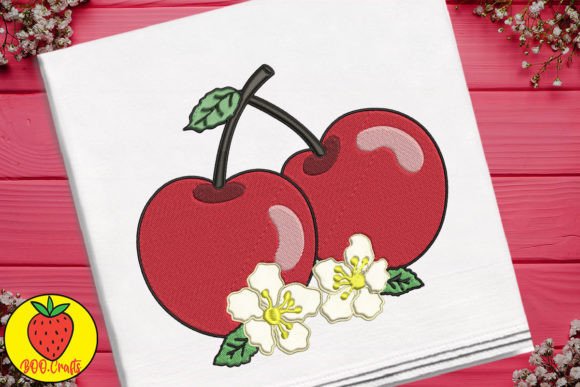
The description highlights that this is a "gorgeous cherry flower embroidery" suitable for shirts, aprons, hats, canvas, towels, and more. From a design perspective, this implies a balanced composition. It likely avoids being too busy or too sparse. For a craft fair product, visual clarity is king. Customers walking by a booth need to understand what they are looking at within three seconds. A design featuring cherries and flowers usually hits the right notes of playful yet elegant. It feels festive without being overly thematic, making it versatile enough for various seasons, particularly late spring through early autumn.
This aesthetic aligns perfectly with current trends in handmade goods. It leans toward a modern rustic vibe, which appeals to buyers looking for items that feel both cozy and stylish. Whether you are an Etsy seller or a weekend market vendor, this design offers a premium look that can elevate simple blank products into something special. The color palette implied by "cherry and flowers" typically involves rich reds, soft pinks, and lush greens, providing excellent contrast against neutral fabrics like white, cream, navy, or denim.
Product Application: Where This Design Shines
To maximize sales, you need to place your embroidery file on the right substrates. Here is how Cute Cherry and Flowers performs across key categories:
- Apron Embroidery: This is arguably the strongest application. Placing the design on the bib or lower pocket area of a cotton apron creates an instant small shop product winner. The floral elements soften the utilitarian nature of an apron, making it giftable and desirable for home cooks.
- Tote Bag Design: A large tote bag provides ample space for the design to breathe. If the design has a good balance of negative space, it will look sophisticated on canvas or heavy cotton totes. However, ensure the placement is centered and symmetrical to maintain visual harmony.
- Tea Towel Embroidery: Kitchen textiles are high-volume sellers. The charm of cherries pairs naturally with kitchen themes. Use this on flour sack towels or heavy terrycloth for a tactile experience. Just be mindful of fabric texture, as thick loops can sometimes obscure fine details.
- Embroidered Patch: Converting this into a patch allows for versatility. You can sew patches onto denim jackets, backpacks, or caps. Patches often command a higher price point because they require additional labor (cutting and backing), but they also have a lower barrier to entry for customers who don’t want to commit to a full garment.
- Hats and Caps: Curved surfaces present a challenge. Ensure the design scales correctly so it doesn’t look distorted on the front panel of a dad hat or structured cap. Small accents work best here.
Production Practicality and Quality Control
From a production standpoint, efficiency is money. I always advise testing any new digital embroidery file thoroughly before listing it. With Cute Cherry and Flowers, pay close attention to the following technical aspects:
- Stitch Density: Check if the design uses dense satin stitches for the cherry stems or outlines. Excessive density can cause puckering, especially on lightweight fabrics like thin tees or delicate linen. If the density is too high, consider using a tear-away stabilizer for better support.
- Thread Colors: Review the thread map. A limited color count is generally easier to manage for batch production. If the design requires many thread changes, calculate whether the time cost justifies the retail price. High-quality thread contrast is essential; dark cherries on dark fabric will disappear, so stick to light backgrounds for maximum impact.
- Hoop Size: Confirm the required hoop size matches your machine’s capabilities. If the design is large, ensure you have enough workspace to embroider it on wider items like table runners or large pillow covers.
- Fabric Texture: Test on your actual selling materials. Textured towels or nubby linens can hide small details. If the cherries or flower petals have tiny intricate stitches, they may get lost in the weave. Always do a test run on scrap fabric from the same lot as your final product.
Selling Strategy and Booth Display
When setting up your booth, display strategy matters. A single embroidered apron hanging alone might not catch the eye. Instead, create a lifestyle scene. Pair the Cute Cherry and Flowers apron with matching tea towels and a tote bag. Grouping these items reinforces brand consistency and shows customers how the design looks in different contexts.
For online listings, invest in creating a realistic printable mockup. While photos of finished products are best, having a variety of mockups helps visualize the design on different colorways. Show the design on a white tee, a black hoodie, and a natural canvas bag. This helps potential buyers imagine the item in their own homes or wardrobes.
Remember to inspect the finished product closely. Are there loose threads? Is the backing visible on the back of the fabric? Professional finishing separates hobbyists from business owners. Trim all tails, remove stabilizer residue, and press the item with steam to give it a crisp, store-ready appearance.
Final Verdict for Sellers
Cute Cherry and Flowers is a strong contender for your inventory. It taps into universal love for nature-inspired motifs and fits seamlessly into the food and kitchen category, which is evergreen. Its versatility across apparel, home decor, and accessories makes it a reliable asset for any commercial embroidery business.
However, success depends on execution. Do not assume the design will look good on everything. Respect the limitations of stitch density and fabric choice. By testing thoroughly and presenting the items beautifully, you can turn this simple embroidery design into a bestseller. Check your commercial licensing terms carefully to ensure you are protected when selling these handmade products. With careful preparation, this design has the potential to draw crowds to your booth and fill your Etsy cart.